
Best Timing for Asphalt Sealings
Understanding the optimal time to perform asphalt sealings can extend the lifespan of pavement and improve its appearance. Proper timing ensures that the sealant bonds effectively and resists weather-related damage.
Spring and fall are considered the best seasons due to moderate temperatures and lower humidity levels, which facilitate proper curing of the sealant.
Sealings should be applied when daytime temperatures are consistently between 50°F and 85°F. Extreme heat or cold can affect adhesion and drying times.
Rain, snow, or high humidity periods should be avoided, as moisture can compromise the sealant's effectiveness and cause uneven application.
Sealings are typically recommended after the asphalt has fully cured, which usually takes 6 to 12 months depending on the climate and asphalt condition.
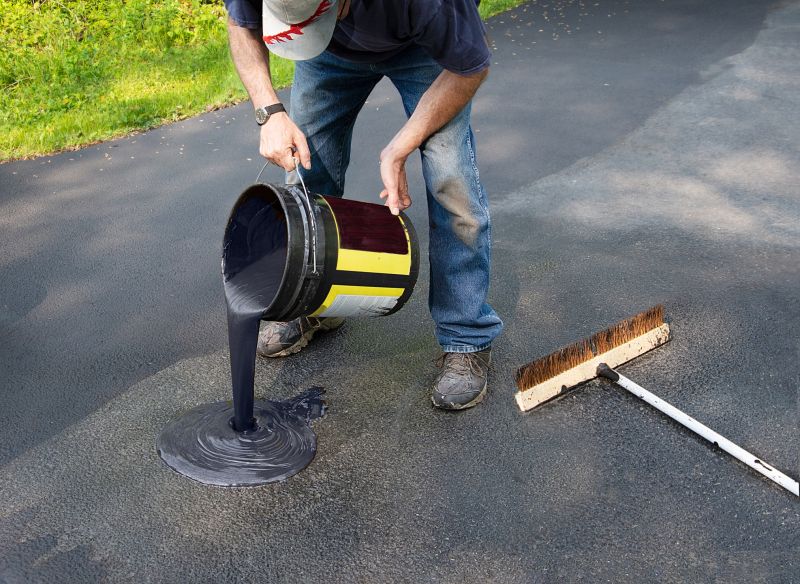
Spring offers ideal conditions with rising temperatures and lower moisture levels.
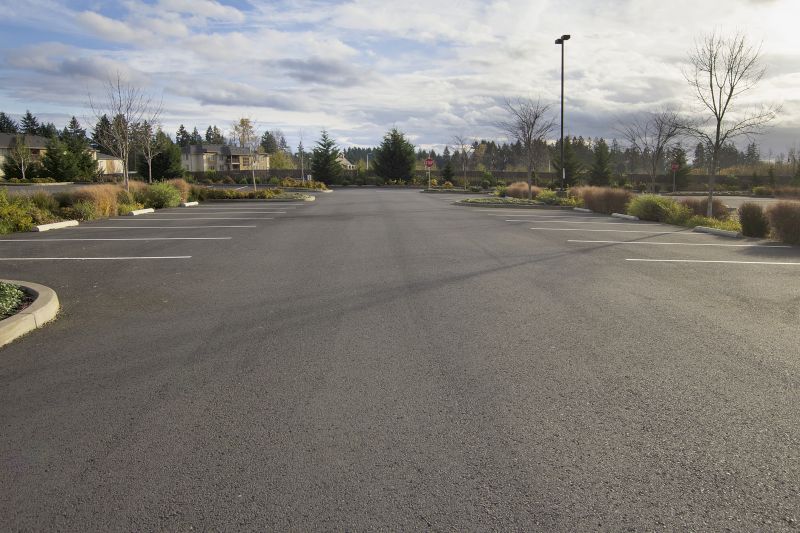
Fall provides cooler temperatures and less rain, making it suitable for sealings.
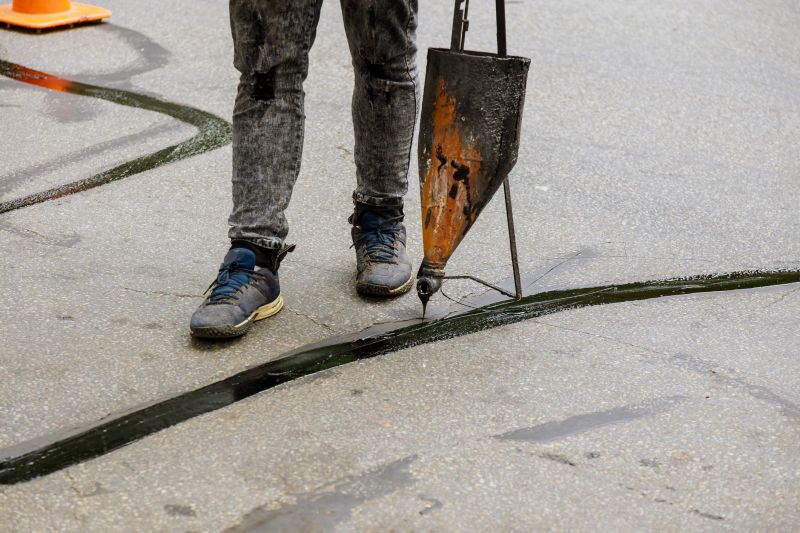
Monitoring daily temperatures ensures sealings are applied during optimal conditions.
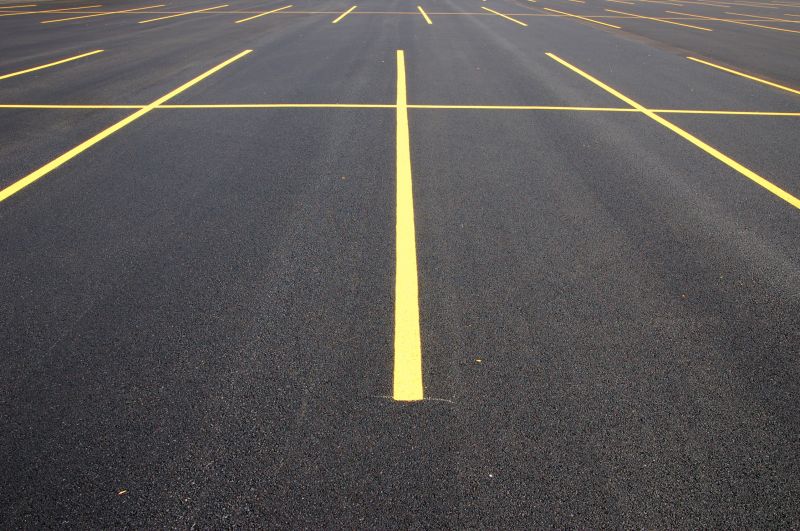
Ways to make Asphalt Sealings work in tight or awkward layouts.

Popular materials for Asphalt Sealings and why they hold up over time.
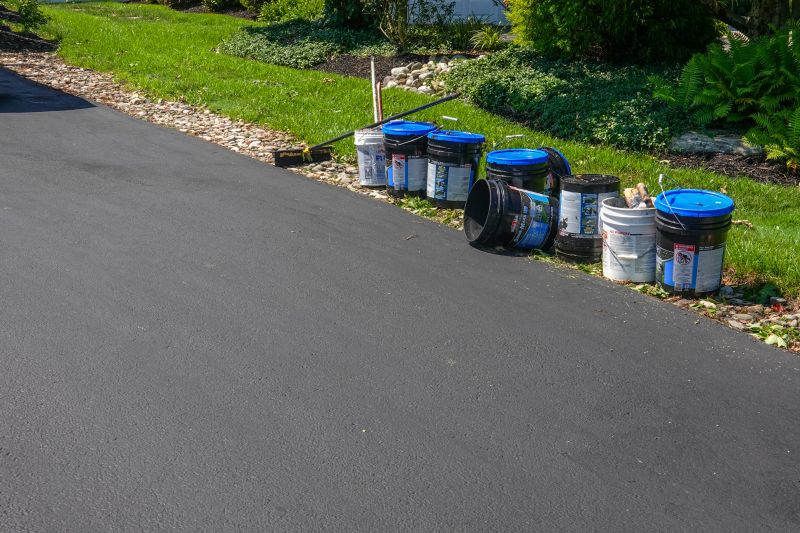
Simple add-ons that improve Asphalt Sealings without blowing the budget.
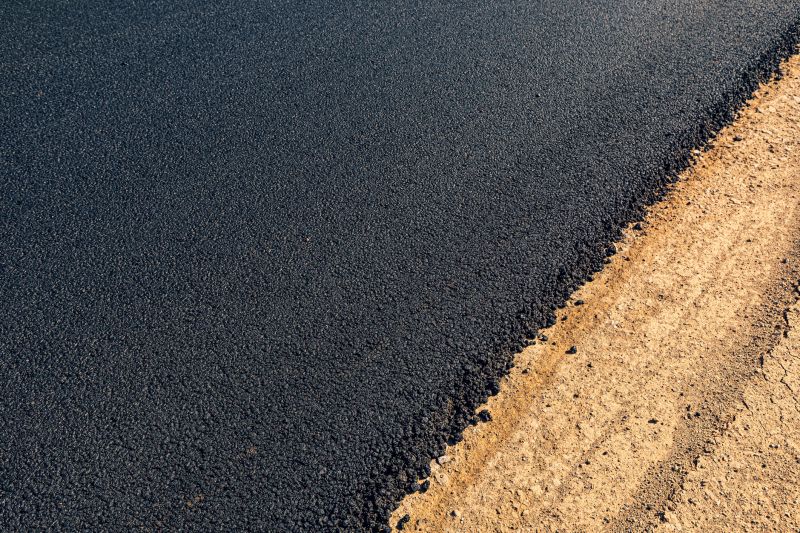
High-end options that actually feel worth it for Asphalt Sealings.

Finishes and colors that play nicely with Asphalt Sealings.
| Season | Temperature Range |
|---|---|
| Spring | 50°F to 85°F |
| Fall | 50°F to 85°F |
| Summer | Too hot if above 85°F |
| Winter | Too cold if below 50°F |
Asphalt sealings serve as a protective layer that shields pavement from water penetration, UV damage, and oxidation. Proper application can significantly extend the durability of asphalt surfaces, reducing the need for costly repairs. Regular sealings also improve the surface's appearance and safety by providing a smooth, even finish that resists cracking and potholes.
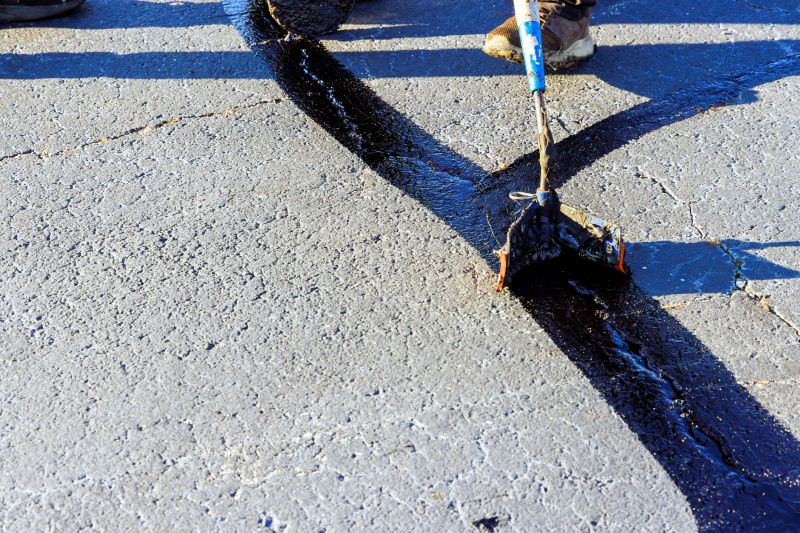
Proper timing and application techniques are essential for effective sealings.
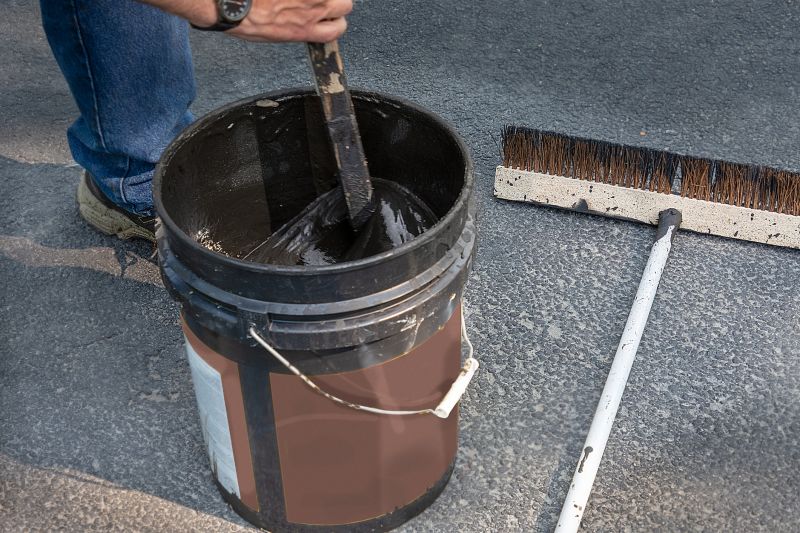
Sealings help prevent water infiltration and surface deterioration.

Clean and dry pavement ensures optimal adhesion of the sealant.
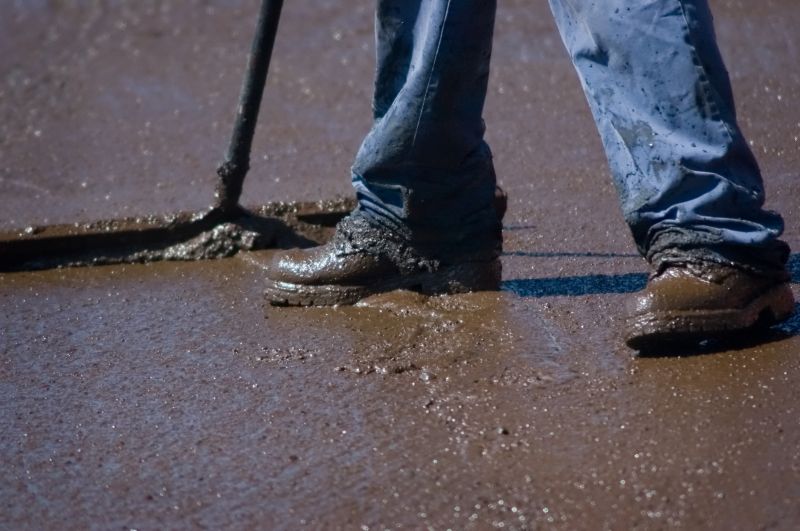
Weather conditions influence the success of sealings and should be monitored closely.
Little measurements that prevent headaches on Asphalt Sealings day.
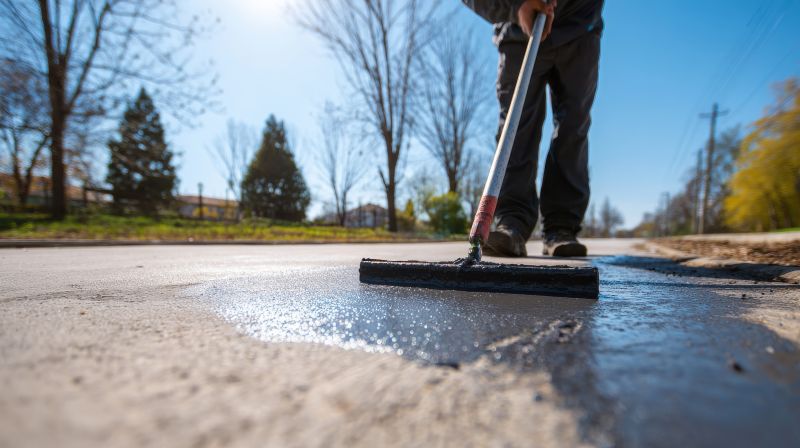
A 60-second routine that keeps Asphalt Sealings looking new.
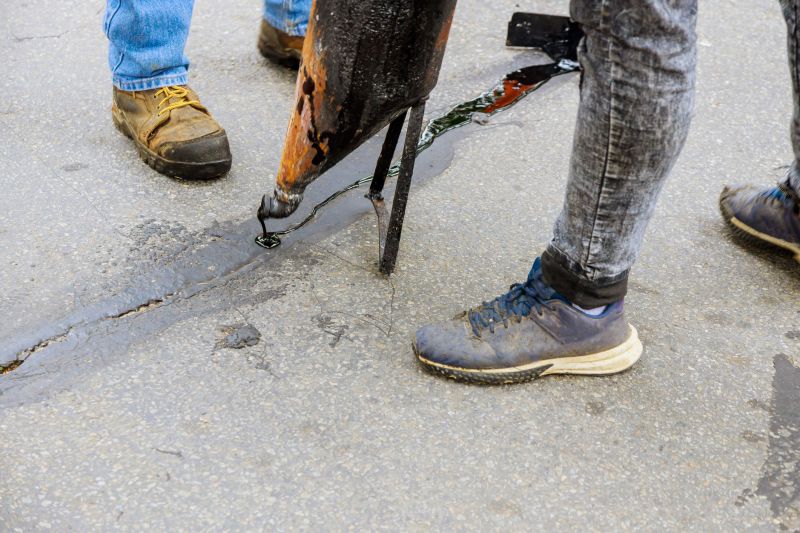
A frequent mistake in Asphalt Sealings and how to dodge it.
Small tweaks to make Asphalt Sealings safer and easier to use.
Interested in scheduling asphalt sealings? Filling out the contact form provides an opportunity to discuss timing options and receive tailored recommendations based on local climate conditions and pavement needs.